
Transform Your Stairs with Professional Hardwood Staircase Installation
In commercial environments, flooring plays a crucial role in shaping first impressions, influencing functionality, and determining long-term maintenance costs. High-traffic spaces such as retail stores, restaurants, office lobbies, hotels, and educational facilities require flooring solutions that balance durability with aesthetics. Hardwood flooring has long been valued for its timeless appeal and structural integrity, making it an attractive option for businesses aiming to elevate their interiors while also meeting practical demands. But not all hardwood systems are created equal, and not every wood species or installation method can withstand the heavy wear that commercial conditions impose. Understanding how hardwood performs in demanding spaces allows business owners, architects, and facility managers to make informed decisions that support both appearance and performance.
Today’s commercial hardwood flooring solutions are engineered to withstand foot traffic, resist surface damage, and maintain long-term value. Innovations in finishes, installation systems, and maintenance techniques have expanded hardwood’s relevance in commercial design, offering a range of options tailored to modern business needs. Whether a facility prioritizes longevity, sustainability, or design versatility,
professional hardwood flooring strategies can deliver a high-performing surface. This blog explores the best hardwood flooring solutions for high-traffic areas, detailing essential considerations and expert-backed recommendations to help businesses choose with confidence.
Understanding Hardwood Flooring Requirements in High-Traffic Commercial Settings
Identifying the Unique Challenges of Commercial Foot Traffic
Commercial environments introduce far more wear than residential settings. Foot traffic is continuous, and in many spaces, shoes track in dirt, moisture, and abrasive materials. Chairs move frequently, equipment rolls across floors, and spills or impacts occur more often. Because of this, commercial hardwood must offer higher resistance to scuffs, scratches, dents, and moisture exposure. Selecting the right species, hardness rating, and finish is essential for preventing early deterioration.
Why Hardwood Remains a Preferred Commercial Choice
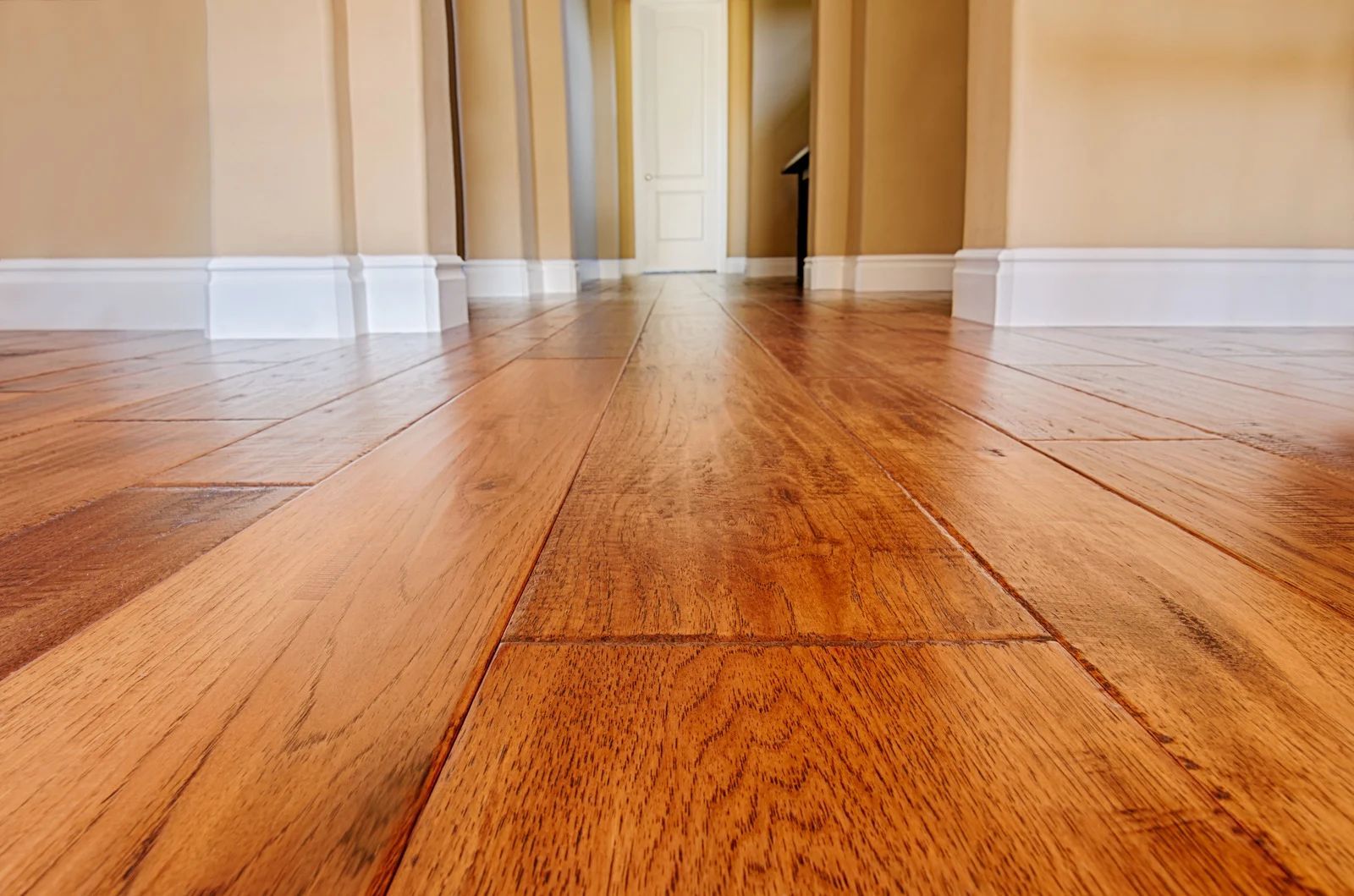
Despite these challenges, hardwood remains one of the most valued materials for commercial projects because of its longevity, repairability, and elevated aesthetic. Unlike synthetic flooring, hardwood can be refinished multiple times, extending the life of the investment. Its natural appearance adds warmth and prestige, supporting branding goals for businesses seeking a premium interior environment.
Choosing the Right Hardwood Species for Maximum Durability
Hardness and Density Considerations
The Janka hardness scale is a critical tool for evaluating species suitable for commercial spaces. Harder woods resist dents and surface wear, offering better performance in areas with heavy pedestrian flow. Species like Brazilian cherry, hard maple, hickory, and white oak consistently rank among the most durable, making them reliable choices.
Engineered vs. Solid Hardwood in Commercial Spaces
Engineered hardwood often outperforms solid hardwood in commercial environments due to its layered construction, which provides superior stability against fluctuating humidity and temperature. It reduces the risk of cupping, warping, and seasonal movement, making it ideal for large commercial floors.
Best Species for High-Traffic Applications
- White Oak: Known for its stability and evenly distributed graining, white oak hides wear patterns and pairs well with a wide range of stains.
- Hard Maple: Commonly used in gyms and retail stores, it offers exceptional hardness and a clean, modern look.
- Hickory: Highly dense and visually varied, hickory excels in concealing scratches and daily wear.
- Brazilian Cherry (Jatoba): Offers extreme hardness and deep tones that support rich, upscale designs.
Commercial-Grade Finishes and Protective Coatings
The Importance of Advanced Finish Technologies
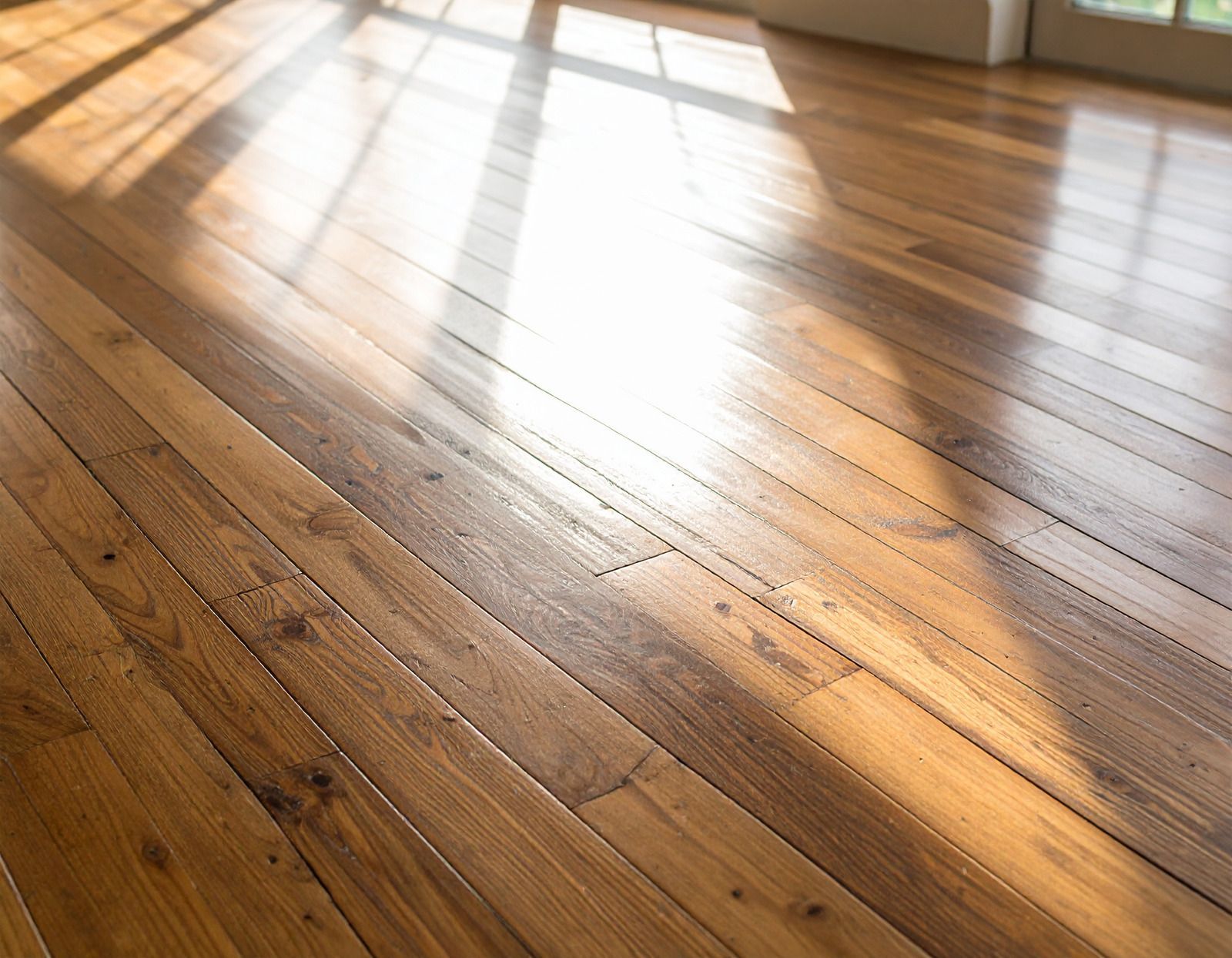
A hardwood floor’s finish determines how well it resists scratches, stains, and moisture—critical factors for high-traffic spaces. Commercial-grade finishes are specifically designed to create a durable, protective barrier that withstands heavy use and minimizes long-term maintenance.
Popular Commercial Finishes
- Aluminum Oxide Finish:
Extremely hard and long-lasting, commonly used in pre-finished planks for maximum durability.
- Polyurethane (Water-Based): Offers a clear, fast-drying protective layer with less odor, making it suitable for quick-turnover commercial environments.
- Oil-Based Polyurethane:
Provides deeper color and longer-lasting protection but requires more drying time.
- Hard Wax Oil Finish:
Allows wood to breathe while offering natural-looking protection; ideal for businesses wanting a matte, organic aesthetic.
Slip Resistance and Safety Considerations
Commercial floors must also meet safety standards for slip resistance. Many advanced finishes now incorporate anti-slip technologies, making them safer for busy spaces where spills and moisture are common.
Installation Methods Tailored for High-Traffic Areas
Glue-Down Installation for Stability
The glue-down method remains one of the most reliable options for commercial flooring. It provides superior stability, reduces hollow sounds, and secures engineered hardwood planks firmly in place. This method minimizes movement under heavy foot traffic and is especially beneficial in retail and hospitality environments.
Floating Installation for Flexibility
Floating floors offer faster installation and easier repairs, making them suitable for businesses that cannot close operations for long periods. However, they may not offer the same long-term durability in extremely high-traffic areas as glue-down systems.
Nail-Down Methods
Typically used for solid hardwood, nail-down installation ensures long-lasting structural strength. While it offers exceptional durability, it also requires more installation time and is best suited for environments where downtime is not a major concern.
Moisture and Subfloor Preparation
Improper subfloor preparation can undermine even the best flooring material. Moisture barriers, leveling compounds, and structural assessments are essential steps before installation. Commercial settings often deal with larger spaces, making consistency across subfloor conditions even more critical.
Maintenance Strategies to Extend Hardwood Lifespan
Daily and Weekly Cleaning Routine
Routine cleaning is vital to preserve hardwood’s appearance and durability. Dust, grit, and particles can scratch the finish if not removed regularly. Commercial-grade vacuum systems and microfiber mops help maintain surface integrity without damaging the coating.
Periodic Deep Cleaning and Recoating
Recoat cycles vary based on traffic levels, but most commercial hardwood floors benefit from professional recoating every 1–3 years. Recoating restores the protective layer, prevents scratches from penetrating deeper layers, and reduces the frequency of full refinishing.
Preventive Measures
Floor mats at entrances to reduce tracked debris.
Furniture pads and rolling casters designed for hardwood.
Regular inspections to catch early signs of wear.
Managing Moisture and Environmental Conditions
HVAC systems should maintain stable humidity levels year-round. Excessive dryness or moisture can cause wood movement, which is magnified in commercial spaces due to scale.
Real-World Applications and Best Practices for High-Traffic Commercial Spaces
Retail Stores
Retail spaces experience constant movement, making durability essential. Wide-plank engineered hardwood with an aluminum oxide finish is often preferred for balancing aesthetics with resilience.
Restaurants and Cafes
These environments experience spills, chair movement, and varied traffic. Hard wax oil or water-based polyurethane finishes help resist stains while maintaining visual appeal.
Office Buildings and Corporate Lobbies
Corporate spaces need elegant flooring that withstands foot traffic, rolling office chairs, and equipment. Engineered hardwood with a strong finish and regular maintenance works best.
Hospitality and Hotels
Hotels require flooring that contributes to a welcoming atmosphere. Durable species like white oak or hickory remain top picks, paired with finishes that hide wear.
Educational Facilities
Schools and universities demand flooring that endures constant activity. Maple is a common choice for its density and clean appearance, especially in auditoriums and administrative areas.
Sustainable and Eco-Friendly Hardwood Options for Commercial Use
The Rise of Sustainable Material Demand
More commercial property owners are prioritizing sustainability, pushing hardwood manufacturers to provide responsibly sourced and eco-certified materials. This shift not only reduces environmental impact but also strengthens brand image for companies committed to corporate responsibility.
FSC-Certified and Reclaimed Wood Choices
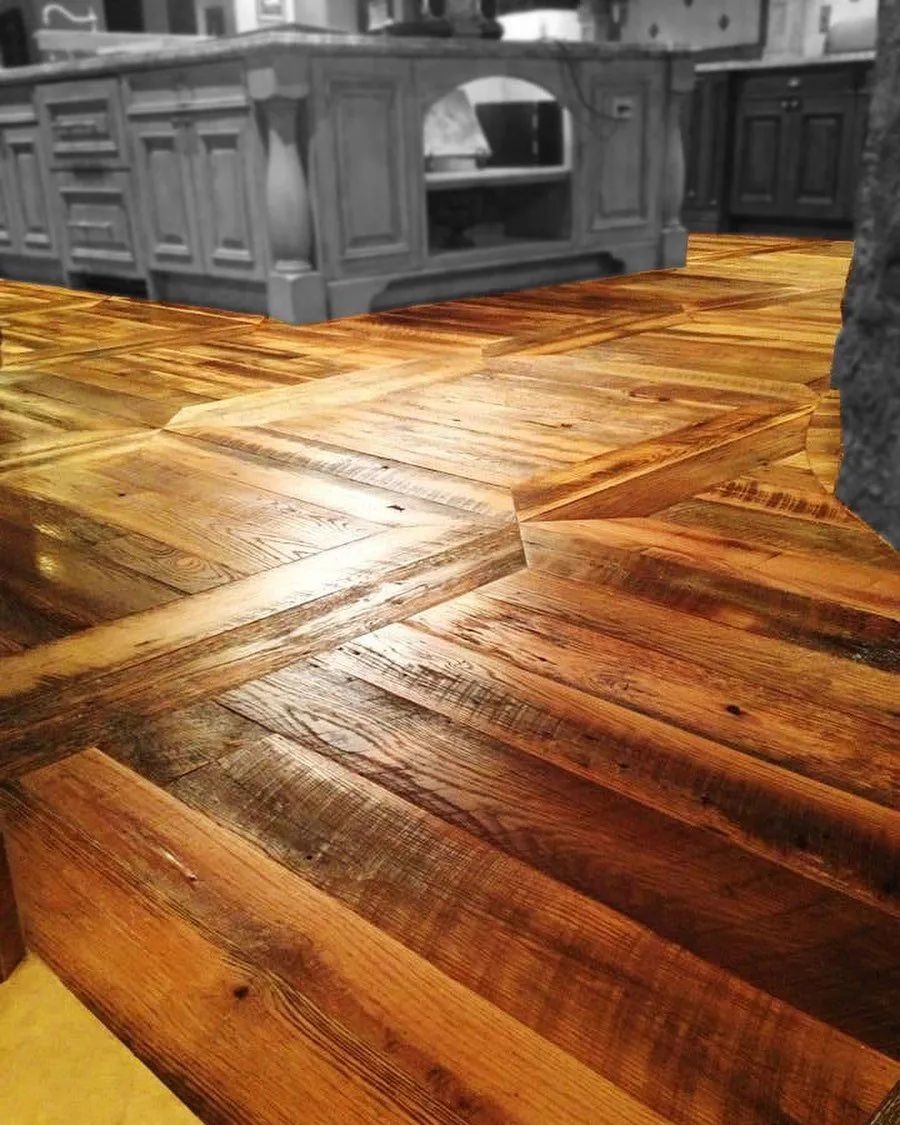
Certified hardwood from responsibly managed forests ensures ethical sourcing. Reclaimed hardwood, sourced from old barns, factories, or historical buildings, provides exceptional durability and a unique aesthetic while minimizing environmental waste.
Low-VOC Finishes for Healthier Indoor Air
Commercial spaces must consider indoor air quality. Low-VOC and zero-VOC finishes reduce chemical emissions, creating healthier environments for employees, clients, and customers.
Cost Planning, Budgeting, and Long-Term ROI Considerations
Understanding Upfront vs. Lifetime Flooring Costs
Hardwood may have a higher upfront price, but its refinishing capability and long lifespan significantly reduce long-term replacement expenses compared to other commercial flooring materials.
Calculating Return on Investment
A well-installed hardwood floor can last decades, maintain property value, and support branding. These factors make it a strong long-term financial investment for commercial buildings.
Reducing Costs Through Smart Material and Finish Selection
Choosing engineered hardwood, wider planks, or factory-finished boards can minimize installation time and reduce labor costs, helping businesses stay within budget while still achieving high durability.
Building Better Interiors Through Smarter Hardwood Investments
Selecting the right commercial hardwood flooring solution is essential for balancing long-term durability, aesthetics, and maintenance demands. High-traffic areas require wood species and finishes engineered to withstand continuous wear, along with installation methods that ensure long-term stability. When combined with proper maintenance strategies, hardwood flooring can deliver decades of performance while elevating the professionalism and visual appeal of any commercial space.
For businesses seeking expert guidance and flawless execution, Enmar Hardwood Flooring
in Chandler, Arizona, stands as a trusted authority in hardwood solutions. With 50
years of experience, the company brings unmatched craftsmanship, product knowledge, and technical expertise to every commercial project. Their team understands the unique challenges that high-traffic environments present and offers tailored recommendations backed by decades of field-tested results. From species selection to installation and maintenance planning, Enmar Hardwood Flooring
delivers reliable,
high-quality flooring solutions designed to withstand the demands of modern commercial spaces.