
Commercial Hardwood Flooring Solutions for High-Traffic Areas
Commercial environments experience a level of foot traffic that far exceeds what is typical in residential spaces, making flooring one of the most critical foundational elements to get right. Among the many flooring materials available, hardwood stands out for offering an appealing balance of durability, style, and long-term value. However, outfitting a commercial space with hardwood flooring requires specialized consideration. Businesses must choose materials, finishes, installation methods, and maintenance strategies that are specifically engineered to withstand heavy use, shifting loads, and the wear patterns often created in retail stores, office buildings, hospitality venues, and public facilities. This makes commercial hardwood flooring solutions an essential investment for functionality, performance, and brand presentation.
The relevance of high-performance hardwood flooring in the commercial sector continues to increase as more businesses prioritize aesthetics and longevity. As design trends shift toward natural materials and sustainable finishes, hardwood has gained renewed attention—not just for its timeless appeal but also for its adaptability in high-traffic settings. Understanding the right hardwood options and protective systems helps businesses maximize longevity and avoid premature wear, costly repairs, or disruptions to daily operations. With informed decisions, commercial spaces can benefit from flooring systems that combine resilience, design flexibility, and long-lasting structural integrity.
1. Choosing the Right Hardwood Species for High-Traffic Commercial Use
Understanding Species Hardness and Durability
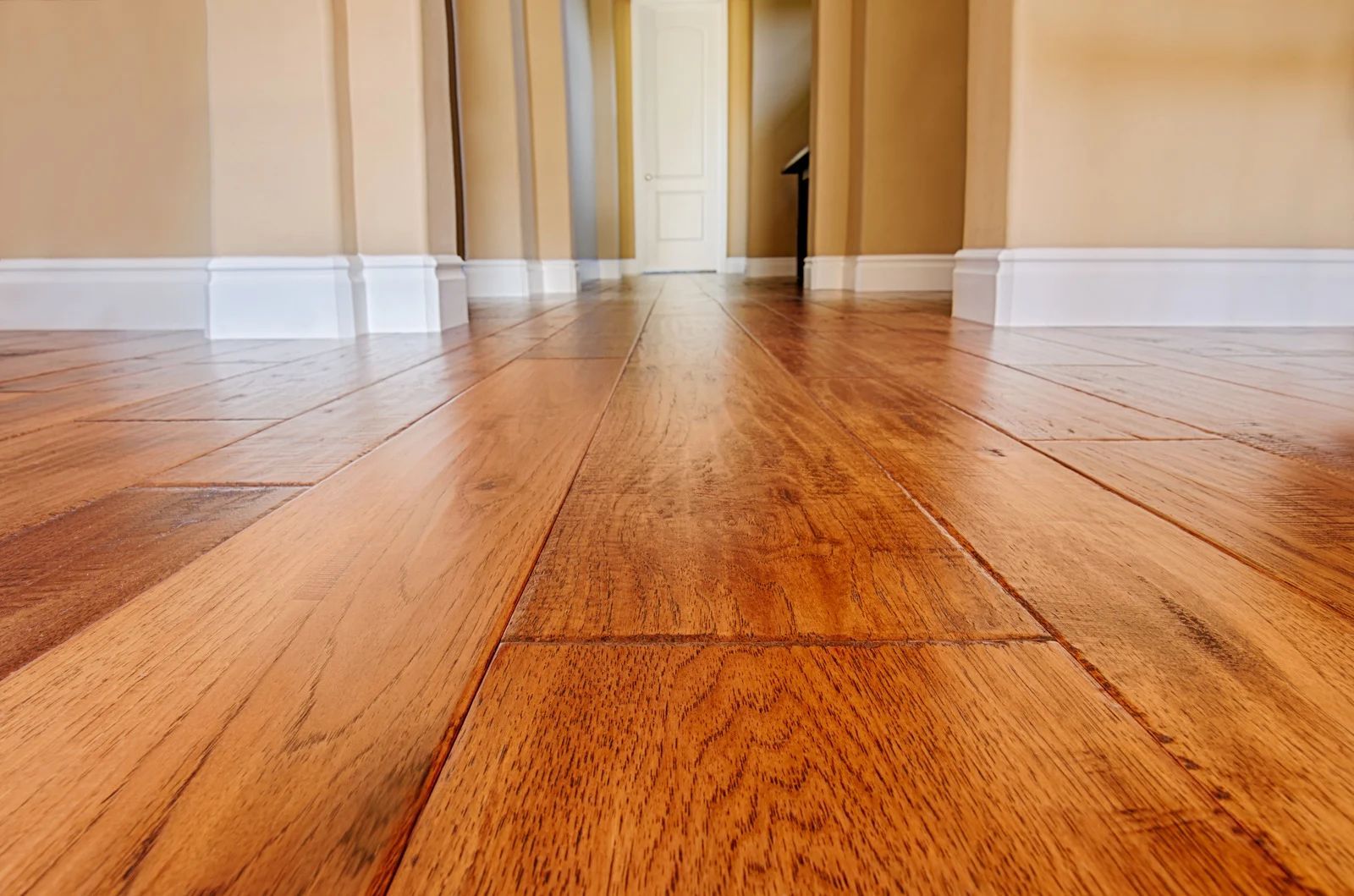
Commercial environments demand hardwood species capable of resisting dents, scratches, and continuous impact. The Janka hardness rating is a critical guideline for evaluating durability. Harder species such as maple, hickory, white oak, and Brazilian cherry consistently outperform softer woods when exposed to heavy daily foot traffic. Their dense fiber structure helps prevent surface compression and maintains a smooth, even finish over time.
Popular Commercial-Grade Species
White oak is often the top choice for commercial applications due to its balanced hardness, strong graining, and excellent compatibility with stains and finishes. Hickory is favored for extremely high-traffic spaces because of its significant hardness and distinctive grain that disguises wear. Exotic woods like Brazilian cherry or Santos mahogany are used in luxury retail and hospitality settings for their superior hardness and striking visual appeal, though their cost and sourcing considerations must be evaluated.
Why Species Matters in Foot-Traffic Zones
Entrances, hallways, reception areas, and corridors bear the highest wear in commercial buildings. Selecting the correct species ensures the flooring retains its structural integrity, minimizing downtime for repairs and refinishing. Businesses that invest upfront in harder species experience significantly lower lifecycle costs.
2. Engineered Hardwood vs. Solid Hardwood for Commercial Spaces
Understanding Structural Differences
Engineered hardwood consists of a real hardwood top layer bonded over multiple layers of plywood or high-density fiberboard. This layered construction provides stability against moisture, temperature changes, and heavy loads—making it an ideal solution for commercial environments. Solid hardwood, while timeless and long-lasting, is more susceptible to expansion and contraction, which can be problematic in climate-controlled facilities or buildings with inconsistent humidity.
Advantages of Engineered Hardwood in High-Traffic Areas
Engineered hardwood excels in applications where durability, stability, and longevity are essential. Its cross-laminated layers provide exceptional resistance to warping, cupping, and movement under intense footfall. This makes it suitable for offices, boutiques, restaurants, and education facilities where foot traffic varies throughout the day.
Situations Where Solid Hardwood Remains Beneficial
Solid hardwood remains a viable choice in commercial projects that prioritize long-term refinishing capabilities. Boutique hotels, historical buildings, and luxury retail stores may opt for solid hardwood to achieve deep refinishing cycles and preserve architectural heritage. With the right installation method—such as nail-down systems—solid hardwood can offer decades of service in appropriate settings.
Balancing Performance and Aesthetics
The decision between engineered and solid hardwood ultimately depends on the business’s priorities. Engineered products deliver outstanding dimensional stability, while solid hardwood provides unmatched authenticity and maximum refinishing flexibility. Both can succeed in high-traffic environments when paired with the correct finishes and maintenance protocols.
3. Protective Finishes, Coatings, and Treatments for Commercial Hardwood
Importance of Protective Finishes
Finishes serve as the first line of defense against abrasion, moisture, staining, and wear. In commercial settings, choosing the right finish can double or even triple the lifespan of hardwood flooring. Businesses must consider the expected foot traffic, cleaning routines, exposure to sunlight, and specific industry conditions before selecting a protective system.
Types of Commercial-Grade Finishes
- Aluminum Oxide Finishes – Commonly used in prefinished engineered hardwood, aluminum oxide provides superior abrasion resistance and is designed for heavy commercial use.
- Polyurethane Finishes – Available in water-based and oil-based formulas, polyurethane creates a protective surface that resists chemicals and scuffing. Water-based polyurethane is preferred for its low VOCs and quick drying.
- UV-Cured Finishes – These finishes harden instantly under UV lights during manufacturing, resulting in an extremely tough, scratch-resistant surface suited for retail and office environments.
- Hardwax Oils – Though more common in luxury environments, hardwax oils penetrate the wood to create a natural matte finish that is repairable without full sanding.
Additional Protective Treatments
Commercial floors benefit from treatments such as slip-resistant coatings, micro-bevel sealing, and antimicrobial finishes that support hygiene in healthcare and food-service settings. UV protection layers help minimize fading in storefronts exposed to constant sunlight.
Why Finishes Determine Longevity
Even the strongest hardwood species will fail prematurely without a durable finishing system. By combining the right coatings with consistent maintenance, businesses can significantly extend the lifespan of their flooring while preserving aesthetic quality.
4. Installation Methods Designed for Heavy Commercial Foot Traffic
Choosing the Right Installation System
The installation method plays a vital role in performance under heavy traffic. Commercial buildings must handle rolling loads, foot impact, and structural vibration. Improper installation can lead to gaps, movement, noise, and premature failure.
Glue-Down Installation
Glue-down systems provide maximum stability and are widely used for engineered hardwood. High-quality adhesives create a firm bond that reduces movement, enhances acoustic performance, and helps withstand long-term wear. This method is ideal for retail stores, corporate offices, and restaurants.
Nail-Down Installation
Used primarily for solid hardwood, the nail-down method secures planks to a subfloor or wooden joist system. It offers longevity and stability when executed properly. This installation technique is common in luxury commercial applications where solid hardwood is preferred.
Floating Installation
Floating systems are less common in high-traffic commercial installations but may be suitable for temporary or modular spaces. Acoustic underlayment is required to minimize noise and movement.
Subfloor Preparation and Moisture Control
Successful installation begins with thorough subfloor inspection. Moisture barriers, leveling compounds, and structural reinforcements may be necessary to protect the flooring system from future problems. Commercial environments benefit greatly from moisture-mitigation systems, particularly in spaces above concrete slabs.
5. Maintenance Strategies for Preserving Hardwood in Commercial Buildings
Daily and Weekly Maintenance Requirements
Routine cleaning is essential to prevent particles and debris from scratching the surface. Businesses should implement daily sweeping and vacuuming, along with scheduled mopping using approved hardwood-safe cleaners. High-traffic zones often require additional attention to maintain surface quality.
Long-Term Maintenance and Refinishing
Commercial hardwood floors experience wear patterns that may require periodic refinishing or recoating. Water-based recoating systems extend the finish life without extensive downtime, making them valuable in offices, retail stores, and educational facilities. Solid hardwood floors allow deeper refinishing cycles, offering longevity through multiple decades.
Preventative Measures
Walk-off mats, chair glides, spill management, and humidity control are essential preventative tools. Installing protective pads on furniture, maintaining a stable indoor climate, and ensuring staff is trained in proper care techniques reduce long-term damage.
Why Maintenance Determines Lifecycle Cost
Poor maintenance dramatically accelerates wear, leading to premature refinishing or replacement. Businesses that invest in a structured maintenance plan extend their flooring’s life, preserve brand image, and maintain safety across all occupied areas.
6. Real-World Applications and Design Considerations for High-Traffic Commercial Hardwood
Retail and Boutique Stores
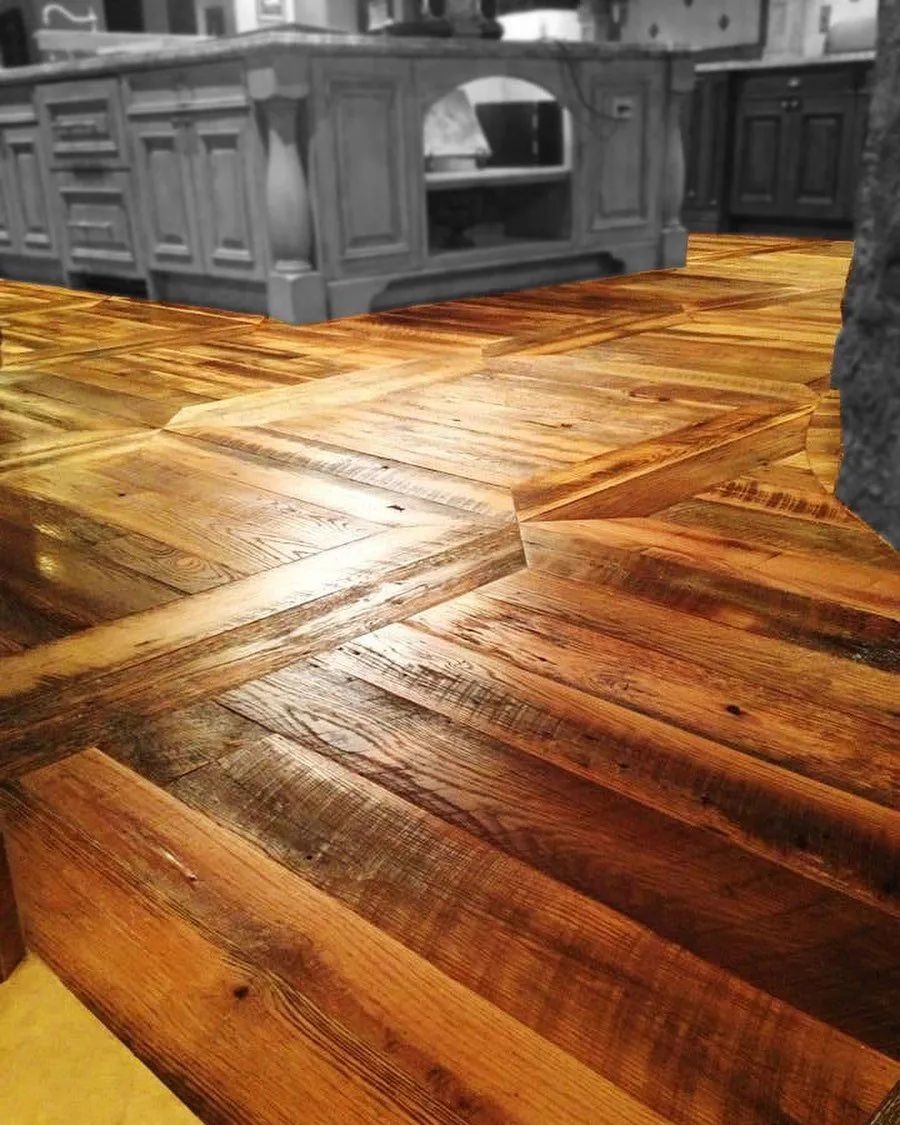
Retail spaces depend on durable hardwood flooring to withstand constant foot traffic, display changes, and aesthetic expectations. Wide-plank engineered hardwood with aluminum oxide finishes is a common choice due to its resilience and visual impact.
Corporate Offices and Conference Centers
In office settings, hardwood provides a sophisticated look while supporting rolling chairs, equipment, and daily foot movement. Engineered hardwood with a strong wear layer performs especially well under office conditions.
Hospitality and Restaurant Environments
Restaurants, hotels, and lounges benefit from hardwood’s warm ambiance. However, they require moisture-resistant finishes, strict maintenance routines, and species that resist denting from moving furniture and luggage.
Educational and Public Institutions
Durability and safety are priorities in schools, libraries, and public venues. Slip-resistant finishes and moisture-control systems ensure the flooring can withstand heavy daily use while maintaining a professional appearance.
Balancing Style with Performance
Today’s commercial design trends favor natural grain textures, matte finishes, and sustainable materials. Businesses can achieve the desired aesthetic without sacrificing durability by selecting the right combination of species, finish, and installation method.
Enhancing Business Environments with Strategic Flooring Design
Enmar Hardwood Flooring
in Chandler, Arizona, brings over 50
years of experience to commercial projects requiring superior hardwood flooring solutions. With a deep understanding of the complexities involved in high-traffic installations, the company offers expert guidance in species selection, engineered and solid hardwood options, commercial-grade finishes, and industry-leading installation techniques. Their long-standing expertise allows them to approach each project with precision, ensuring durability and aesthetic excellence tailored to the needs of modern commercial environments. Businesses benefit from their commitment to craftsmanship, attention to detail, and use of premium materials specifically designed to withstand heavy use. Whether upgrading a retail space, renovating an office, or outfitting a hospitality venue, Enmar Hardwood Flooring
provides professional support from planning to final installation. Their decades of experience and proven track record make them a trusted authority in delivering high-performance hardwood flooring that stands the test of time.