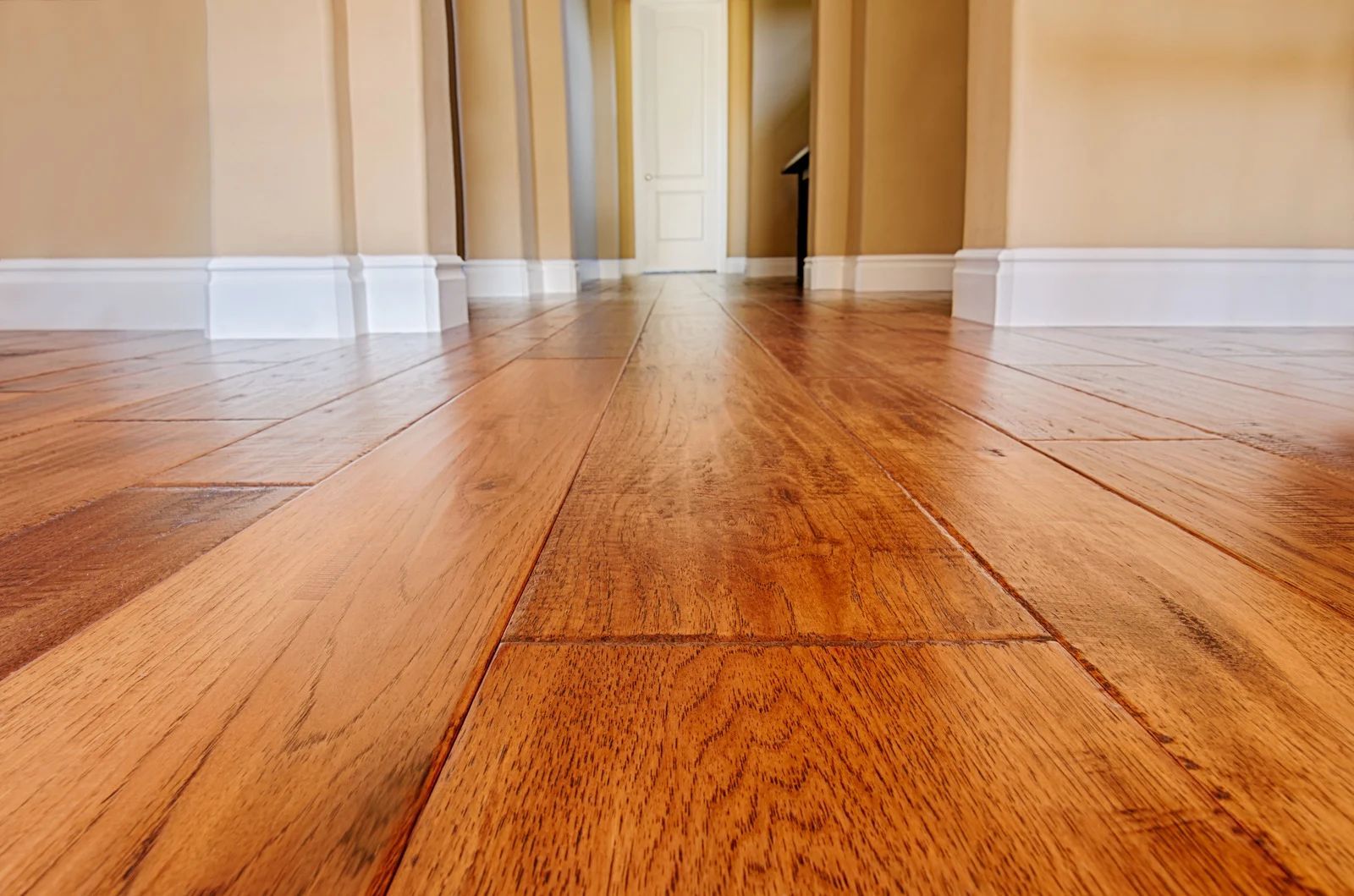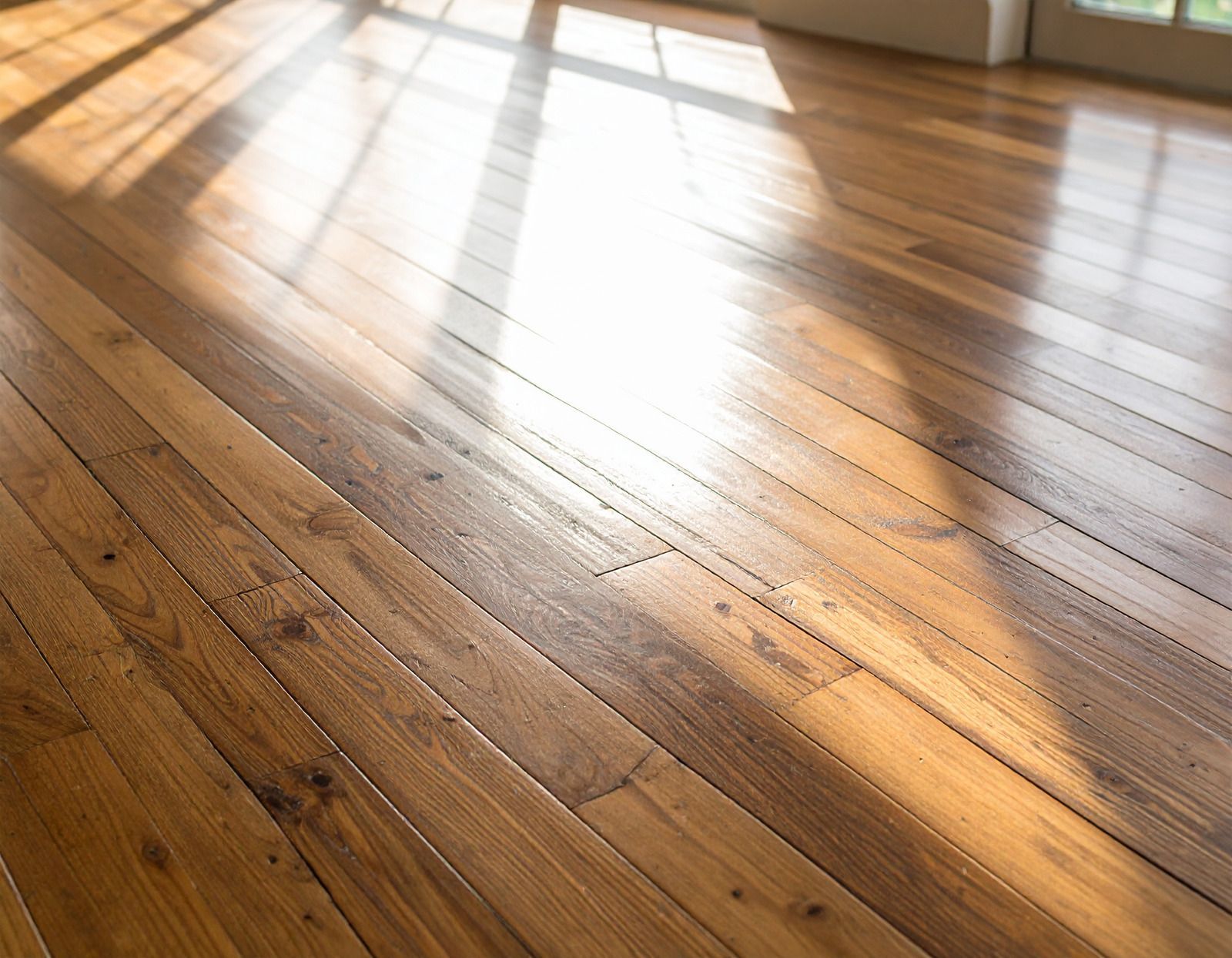

Gaps Opening Up Between Hardwood Boards in Dry AZ Air? Why It Happens
QUICK ANSWER: Gaps opening between hardwood floor boards in Arizona's dry air happen because wood loses moisture and shrinks when the air is very dry. Wood is hygroscopic, it absorbs and releases moisture with the humidity, swelling when humid and shrinking when dry, so in a dry climate (or a heated/cooled home with low indoor humidity), the boards contract and pull apart, opening gaps. Small seasonal gaps are often normal and may close when humidity rises. The keys are proper acclimation and installation for the climate and keeping indoor humidity reasonably stable.
You're looking at your hardwood floor and noticing thin gaps opening up between the boards, spaces that weren't there before, or that seem to come and go. In Arizona's dry climate, it's a common thing to see, and it's usually not a sign the floor was installed badly or is falling apart. It's the wood doing what wood naturally does in dry air.
Hardwood is a natural material that responds to the moisture in its environment, taking on moisture and swelling when the air is humid, and releasing moisture and shrinking when the air is dry. In a dry place like Arizona, and in homes kept comfortable with heating and cooling that dries the indoor air, the wood loses moisture and the boards shrink, pulling apart and opening gaps. Understanding this natural behavior explains why the gaps appear, which ones are normal, and what actually helps minimize them. Here's what's going on with your hardwood floor in the dry air.
Why Wood Moves With Moisture
The whole phenomenon comes down to one property of wood: it constantly exchanges moisture with the air around it, and changes size as it does.
Wood is hygroscopic, meaning it absorbs and releases moisture depending on the humidity of its surroundings. When the air is humid, wood takes on moisture and expands (swells); when the air is dry, wood gives up moisture and contracts (shrinks). This isn't a defect, it's the fundamental nature of wood, and it never fully stops; the wood is always moving toward equilibrium with the current humidity. A hardwood floor is essentially a collection of wood boards doing this together.
So when the surrounding air is dry, each board loses moisture and shrinks a little, and since the boards shrink away from each other, gaps open between them. When humidity rises again, the boards take moisture back on, expand, and the gaps can close. That's why hardwood gaps often appear in the dry season (or dry climate) and may narrow when it's more humid. Understanding that the wood is simply shrinking in dry air, and that this is normal wood behavior, is the foundation for everything else about hardwood gaps, why they happen, which are normal, and what helps.
Why Arizona's Dry Air Makes It Pronounced
Given that dry air shrinks wood, it's clear why Arizona homes see hardwood gaps: the climate is exactly the low-humidity condition that makes wood contract.
Arizona's climate is dry, with low humidity much of the year, so hardwood here spends a lot of time releasing moisture and shrinking rather than swelling. On top of the outdoor climate, indoor conditions often make it drier still: heating in winter and air conditioning in the heat both tend to lower indoor humidity, pulling even more moisture out of the wood. So the wood in an Arizona home can reach quite low moisture levels, and low moisture means maximum shrinkage, and the most pronounced gaps.
That's why hardwood floors in dry climates like Arizona tend to show gapping more than floors in humid regions, where wood stays plumper. It's also why the gaps can be seasonal, widening in the driest, most heated or cooled periods and narrowing when indoor humidity comes up. The dry air isn't damaging the wood so much as revealing its natural response to low humidity. Recognizing that Arizona's dryness is the driver helps set realistic expectations: some movement and gapping is simply what hardwood does here, though how the floor was handled and how you manage indoor humidity affect how much.
TIP: Notice whether your floor gaps change with the seasons or your HVAC use, gaps that widen in the driest, most heated or air-conditioned stretches and narrow at other times are the classic sign of normal humidity-driven wood movement. Keeping your home's indoor humidity reasonably stable (a whole-home humidifier or humidity management can help in very dry conditions) reduces how much the wood shrinks and swells, which minimizes gapping. Tracking when your gaps appear tells you a lot about whether it's normal seasonal movement or something worth a closer look.
Normal Gaps vs. When to Look Closer
Not all gaps mean the same thing, so it helps to distinguish normal, expected movement from signs that warrant a closer look.
Small gaps that open in the dry season and close (or narrow) when humidity rises are generally normal, they're the wood doing its natural seasonal thing, and are common and expected with hardwood, especially in a dry climate. This kind of seasonal gapping usually isn't a cause for alarm.
On the other hand, some situations are worth attention: gaps that are very large, gaps that stay wide and never close even when humidity should bring them back, boards that are cupping, crowning, or lifting (signs of a moisture imbalance or a moisture problem rather than simple dryness), or gaps accompanied by other flooring problems. These can point to issues beyond normal seasonal movement, such as the wood not having been properly acclimated before installation, an installation that didn't account for the climate, or a moisture problem. Persistent, excessive, or worsening gaps, or accompanying warping, are the cases where it's worth having the floor assessed rather than chalking it up to normal movement.
The practical takeaway: modest seasonal gaps in dry Arizona air are usually normal wood behavior, while large, permanent, or worsening gaps, or gaps with cupping or warping, are worth a professional look to rule out an acclimation, installation, or moisture issue. Knowing the difference keeps you from worrying over normal movement while catching the cases that need attention.
What Actually Helps
Because the gaps come from wood shrinking in dry air, minimizing them is about managing moisture and getting the wood right for the climate, before and after installation.
Proper acclimation and installation for the climate
The biggest factor is often what happens before and during installation. Hardwood should be acclimated, allowed to adjust to the home's actual conditions, before it's installed, and installed with the climate's humidity swings in mind, so the boards are at a moisture level appropriate for the dry environment. Flooring that's properly acclimated and installed for Arizona's dryness moves less and gaps less than flooring that wasn't. This is a key reason to have hardwood installed by professionals who understand the local climate.
Managing indoor humidity
Since the gaps track humidity, keeping indoor humidity reasonably stable, and not extremely dry, reduces how much the wood shrinks. In very dry conditions, humidity management (such as a whole-home humidifier) can help keep the wood from reaching its most-shrunken, most-gapped state, and reduce the seasonal swing.
Choosing suitable flooring
Some flooring choices and wood types handle dry conditions and humidity swings with less movement than others, worth considering for a dry climate. A flooring professional can advise on options well-suited to Arizona.
Realistic expectations
Finally, understanding that some seasonal movement is normal for real hardwood in a dry climate helps you accept minor gapping as part of a natural floor, while the steps above minimize it.
The theme is that gaps are managed by controlling moisture and getting the wood properly acclimated and installed for the dry climate, not by fighting the wood's nature. Done right, an Arizona hardwood floor can look great with only modest, normal seasonal movement rather than distracting gaps.
WARNING: Be cautious about trying to "fix" hardwood gaps by forcing filler into them or aggressively adding moisture, both can backfire. Filling gaps that will close again when humidity rises can cause problems when the wood expands, and drastically changing humidity can lead to the opposite issue (swelling, cupping, or buckling if the wood takes on too much moisture). Large, persistent, or worsening gaps, or gaps with cupping or warping, may signal an acclimation, installation, or moisture problem and are worth having a flooring professional assess rather than patching over.
Frequently Asked Questions
Why are gaps opening between my hardwood floor boards?
Because wood loses moisture and shrinks in dry air. Wood is hygroscopic, it absorbs moisture and swells when the air is humid, and releases moisture and shrinks when it's dry. In dry conditions, each board contracts and pulls away from its neighbors, opening gaps. In Arizona's dry climate (and in heated or air-conditioned homes with low indoor humidity), the wood shrinks and gaps appear. It's natural wood behavior, not necessarily a defect.
Is it bad that my floor has gaps?
Often not, small gaps that open in dry conditions and close when humidity rises are normal, expected seasonal movement for hardwood, especially in a dry climate. What's worth a closer look is gaps that are very large, stay open permanently, keep worsening, or come with cupping, crowning, or lifting, those can indicate an acclimation, installation, or moisture problem rather than simple normal movement.
Why is it worse in Arizona?
Because Arizona's climate is dry, with low humidity much of the year, and heating and air conditioning make indoor air drier still. That low humidity means the wood spends a lot of time releasing moisture and shrinking, reaching its most-contracted, most-gapped state. Floors in dry climates gap more than those in humid regions where wood stays plumper, so pronounced hardwood gaps are common here.
Will the gaps close on their own?
Often, at least partly. Because the gaps come from the wood shrinking in dry air, when indoor humidity rises the boards take moisture back on, expand, and the gaps narrow or close. That's why seasonal gaps come and go. Gaps that never close even when humidity should bring them back, though, may point to something beyond normal seasonal movement and are worth having assessed.
How do I prevent or minimize hardwood gaps?
The biggest factors are proper acclimation and installation for the dry climate (so the wood starts at an appropriate moisture level) and managing indoor humidity so it isn't extremely dry, both reduce how much the wood shrinks. Choosing flooring suited to dry conditions helps too. You can't stop wood from responding to humidity, but getting these right minimizes the movement and the gapping.
Should I fill the gaps?
Be careful with that. Filling gaps that will close again when humidity rises can cause problems when the wood expands and has nowhere to go. For normal seasonal gaps, it's often better to manage humidity than to fill. Persistent or large gaps are worth having a flooring professional assess first, since the right approach depends on whether it's normal movement or an underlying issue, rather than just patching.
When should I call a professional?
When gaps are very large, stay permanently open, keep worsening, or are accompanied by cupping, crowning, warping, or other flooring problems, those can indicate an acclimation, installation, or moisture issue rather than normal dryness. A flooring professional can assess whether it's normal seasonal movement or something that needs addressing, and advise on humidity management or flooring suited to the dry climate.
Working With the Wood, Not Against It
Gaps opening between your hardwood boards in Arizona's dry air are, in most cases, simply the wood doing what wood does, releasing moisture and shrinking when the humidity is low, and the dry climate (plus heating and cooling) makes that pronounced here. Small seasonal gaps that come and go are normal; large, permanent, or worsening gaps, or ones with cupping or warping, are worth a professional look. The keys to minimizing gapping are getting the wood properly acclimated and installed for the dry climate and keeping indoor humidity reasonably stable, working with the wood's nature rather than against it. Understand that, and you can enjoy a beautiful hardwood floor in the desert with only modest, natural movement.
Get hardwood that handles Arizona's dry air with minimal gapping — Gaps between hardwood boards are often caused by wood shrinking in dry conditions, but proper acclimation, professional installation, and maintaining appropriate indoor humidity can significantly reduce seasonal movement. With 50
years of experience, Enmar Hardwood Flooring
provides expert
hardwood floor installation
services in Chandler, Arizona, selecting flooring suited to the desert climate and installing it with techniques that help minimize gapping. We can also evaluate existing floors that are showing excessive separation. Reach out today for a flooring consultation and enjoy hardwood that performs beautifully in Arizona's dry air.