
Pros and Cons of Unfinished Hardwood Floors You Should Know
Hardwood flooring continues to remain one of the most desirable choices for residential and commercial interiors because of its durability, visual appeal, and long-term property value. Among the many flooring options available today, unfinished hardwood floors have gained attention from homeowners, builders, and designers looking for greater customization and a more seamless final appearance. Unlike prefinished wood planks that arrive factory-coated, unfinished hardwood flooring is installed in raw form before sanding, staining, and sealing take place on-site. As flooring trends continue shifting toward personalized interiors and natural wood aesthetics, unfinished hardwood floors remain a strong option in modern renovation and construction projects.
At the same time, unfinished hardwood flooring is not the ideal solution for every property or renovation schedule. While many homeowners appreciate the flexibility and authentic appearance it offers, others may find the installation process more time-consuming and disruptive compared to prefinished alternatives. Understanding both the benefits and limitations of unfinished hardwood flooring helps property owners make informed decisions before investing in a new flooring system. From installation timelines and maintenance requirements to appearance, durability, and long-term value, several important factors influence whether unfinished hardwood floors are the right fit for a specific space.
Understanding What Unfinished Hardwood Floors Are
Raw Wood Installed Before Final Finishing
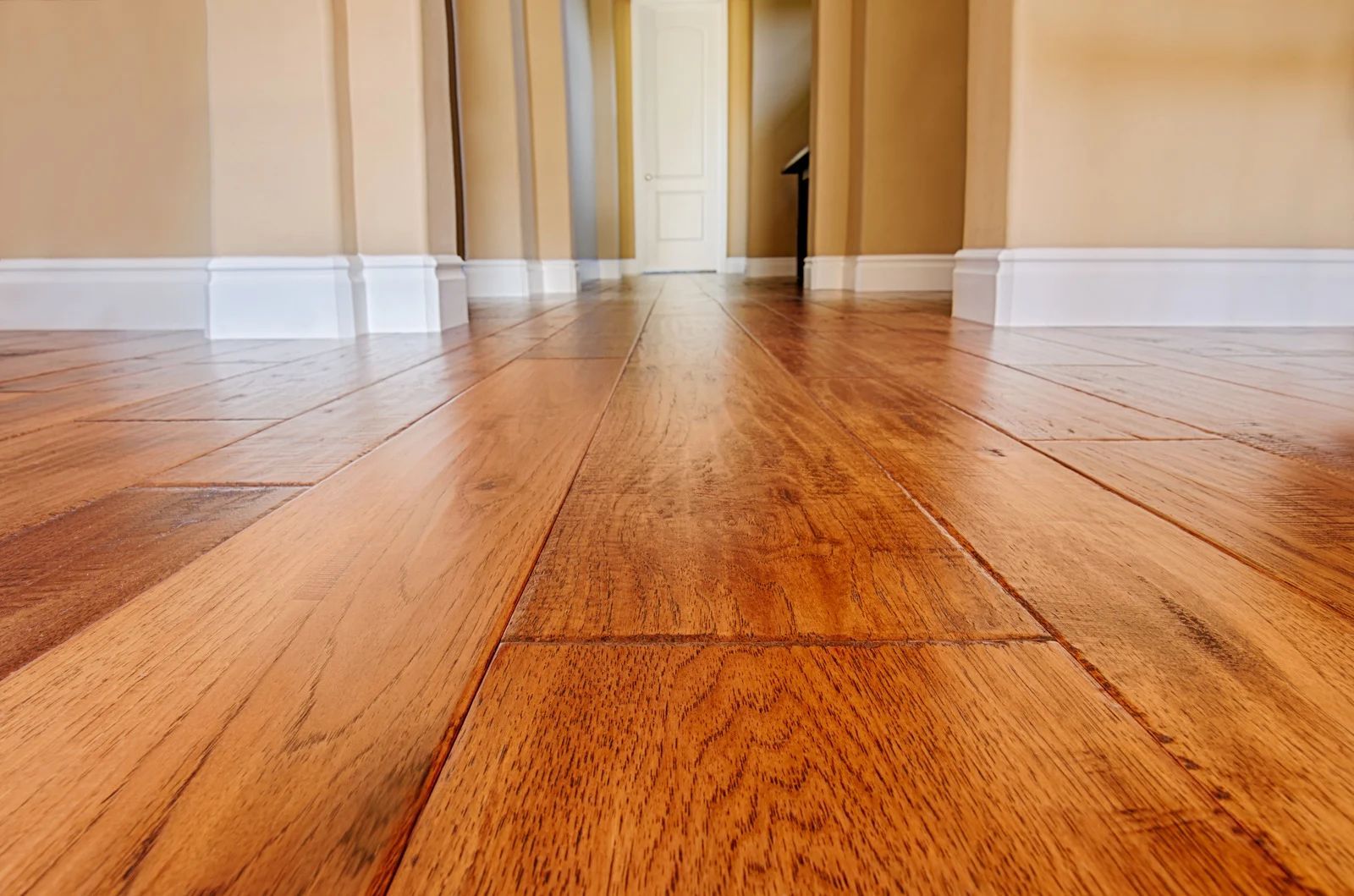
Unfinished hardwood flooring refers to wood planks that are installed without factory-applied stain or protective coating. After installation, the flooring is sanded, stained if desired, and sealed directly on-site. This process creates a smooth, continuous surface across the entire floor without visible bevels between boards. Many homeowners prefer this approach because it allows complete customization of stain color, sheen level, and overall appearance.
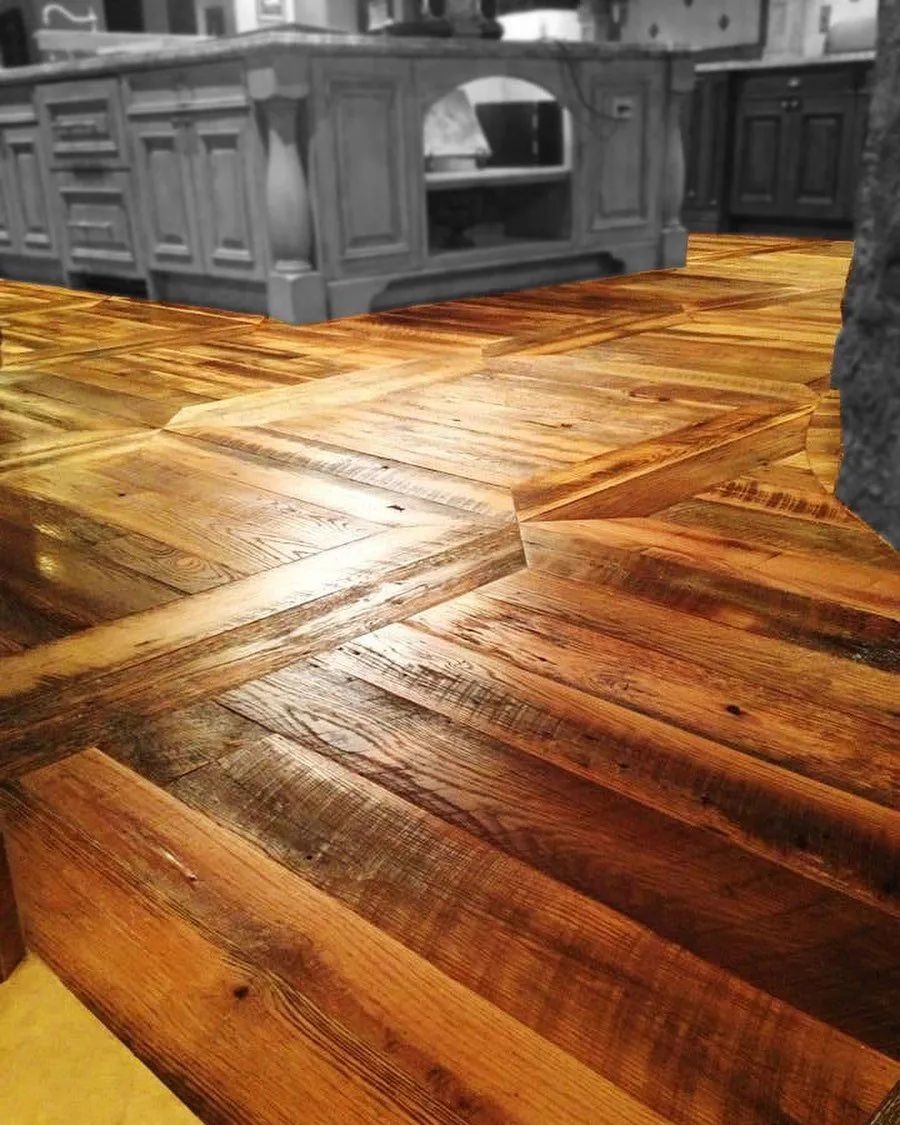
Unlike prefinished flooring, unfinished hardwood can adapt more easily to specific design goals. Whether a homeowner wants a traditional dark walnut tone, a natural matte finish, or a modern white oak appearance, the finish can be tailored during the installation process. This flexibility appeals to property owners seeking a unique and personalized interior style.
Common Wood Species Used
Several wood species are commonly selected for unfinished hardwood floors. Oak remains one of the most popular choices because of its strength, grain variation, and stain adaptability. Maple offers a cleaner and smoother appearance, while walnut provides a rich, luxurious tone. Hickory is often selected for high-traffic areas because of its hardness and durability.
The choice of wood species influences not only the appearance of the floor but also its long-term maintenance and wear resistance. For example, softer woods may dent more easily in busy households with pets or children, while harder species may better withstand heavy foot traffic.
Why Homeowners Choose Unfinished Hardwood
Many homeowners choose unfinished hardwood flooring because it provides a custom-built appearance that blends naturally throughout the room. Since sanding and sealing occur after installation, the finished floor appears more seamless compared to factory-finished boards. This characteristic becomes especially valuable in luxury homes, large open-concept layouts, and properties aiming for a refined architectural appearance.
In addition, unfinished hardwood allows easier integration with existing flooring during renovations. Matching stain color and sheen becomes more manageable when finishing occurs on-site instead of relying on factory coatings that may differ slightly from older flooring materials.
Major Advantages of Unfinished Hardwood Floors
Greater Design Flexibility
One of the strongest benefits of unfinished hardwood flooring is the freedom to customize nearly every visual detail. Homeowners can select the exact stain tone, gloss level, and protective finish suited to the property’s style. This flexibility helps create a flooring appearance that complements cabinetry, wall colors, furniture, and lighting throughout the home.
Personalized Stain Options
Unfinished wood can be stained in countless shades ranging from natural light finishes to deep espresso tones. This customization helps homeowners avoid limitations associated with factory-finished products. It also supports interior trends that evolve over time, allowing greater creative freedom during remodeling projects.
Seamless Floor Appearance
Since the flooring is sanded after installation, unfinished hardwood creates a flatter and smoother surface. Boards blend together more naturally, reducing visible gaps or beveled edges. This seamless appearance often enhances the overall sophistication of the room.
Better Long-Term Refinishing Potential
Unfinished hardwood floors generally offer excellent refinishing capabilities over time. Because the surface starts without factory coatings, future sanding and refinishing projects can be performed more evenly across the floor.
Easier Surface Restoration
Scratches, dents, discoloration, and surface wear can often be corrected through refinishing rather than complete floor replacement. This long-term repair advantage helps homeowners maintain the flooring’s appearance for decades.
Increased Lifespan
Properly maintained unfinished hardwood floors can last for generations. Many historic homes still contain original hardwood flooring that has been refinished multiple times throughout the years. This durability makes unfinished hardwood a strong long-term investment for many property owners.
Improved Site-Specific Finishing
Finishing the floor on-site allows contractors to adjust the appearance based on room lighting, architectural features, and surrounding materials. This level of customization is difficult to achieve with prefinished flooring options.
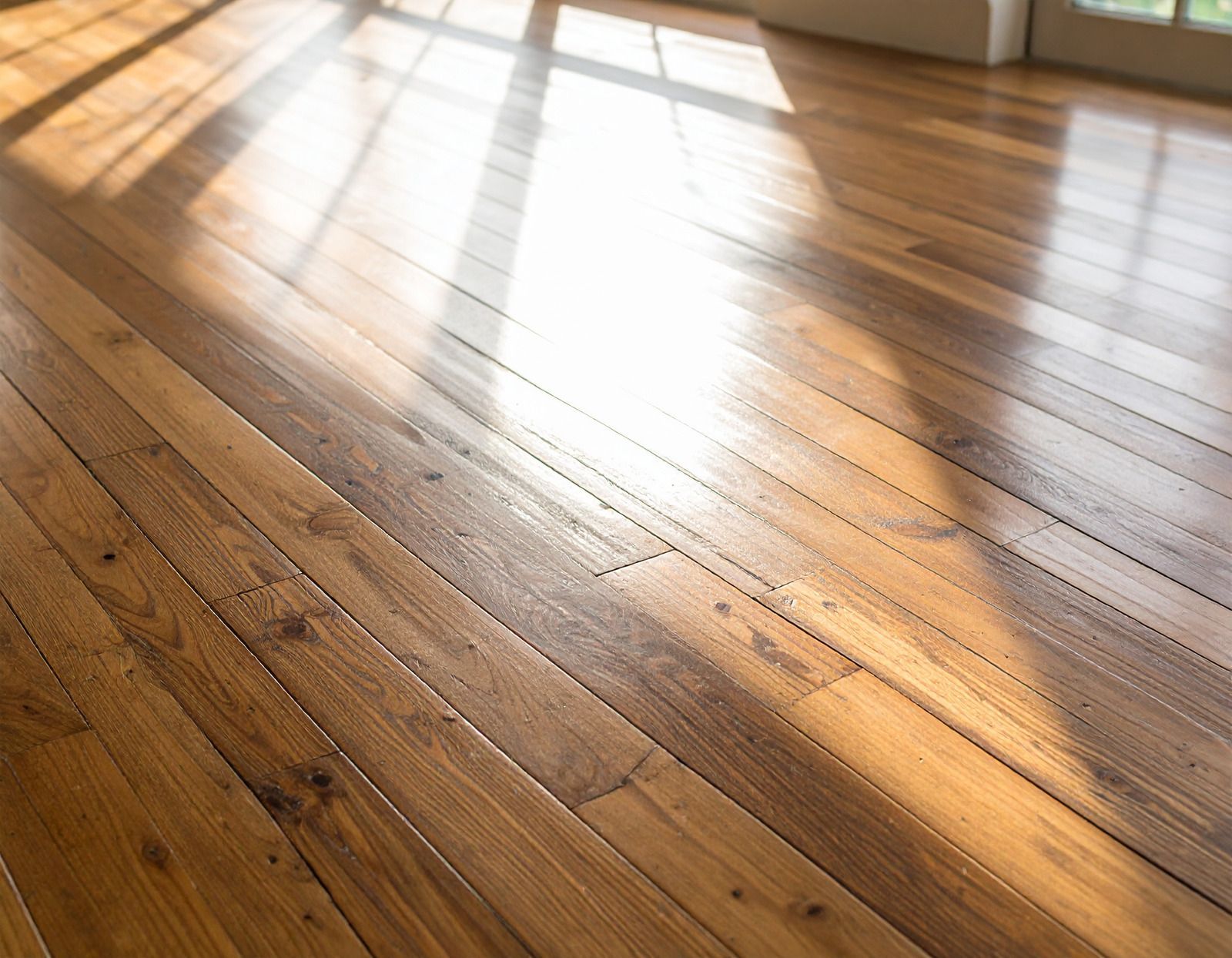
For example, natural sunlight may affect how stain colors appear during different times of the day. On-site finishing allows adjustments that create a more balanced and visually appealing result throughout the home.
Disadvantages Homeowners Should Consider
Longer Installation Timeline
One of the biggest drawbacks of unfinished hardwood flooring is the extended installation process. Unlike prefinished floors that can often be walked on shortly after installation, unfinished wood requires additional sanding, staining, drying, and sealing time before the space becomes fully usable.
Multiple Installation Stages
The flooring installation process usually includes acclimation, plank installation, sanding, staining, sealing, and curing. Each stage requires careful attention and adequate drying time. Depending on weather conditions, humidity, and finish selection, the project may take several days or even weeks.
Delayed Room Usage
Homeowners may need to temporarily relocate furniture or avoid using certain areas of the property during installation. This inconvenience can become challenging for busy households or commercial spaces operating on tight schedules.
Dust and Odor During Finishing
Because sanding occurs on-site, unfinished hardwood floor installation can generate noticeable dust and odors. Although modern equipment reduces airborne particles, some disruption remains unavoidable during the refinishing process.
Air Quality Concerns
Dust from sanding may affect indoor air quality temporarily, particularly for individuals with allergies or respiratory sensitivities. Contractors often use containment systems, but homeowners should still prepare for some cleanup after installation.
Strong Finish Odors
Certain stains and sealants release noticeable odors while curing. Water-based finishes generally produce milder odors compared to oil-based products, but ventilation remains important during the finishing process.
Higher Labor Costs
Unfinished hardwood flooring often requires more labor compared to prefinished alternatives. Additional sanding, staining, and finishing steps increase project complexity and installation time.
While unfinished hardwood may provide long-term value, homeowners should carefully review installation estimates before starting a project. Budget planning becomes especially important in larger homes or custom construction projects.
Is Unfinished Hardwood Flooring the Right Choice?
Best Situations for Unfinished Hardwood
Unfinished hardwood flooring works especially well in custom homes, luxury renovations, and projects prioritizing personalized design. Homeowners seeking a seamless appearance and long-term refinishing flexibility often prefer unfinished wood over factory-finished alternatives.
Ideal for Custom Interior Designs
Properties with unique architectural features, open floor plans, or coordinated interior aesthetics benefit from the customization unfinished flooring provides. Designers often favor unfinished hardwood when exact stain matching becomes important.
Valuable for Long-Term Homeowners
Individuals planning to remain in the property for many years may appreciate the long lifespan and refinishing potential unfinished hardwood offers. Over time, this durability can offset the higher installation investment.
Situations Where Prefinished Floors May Work Better
While unfinished hardwood offers several benefits, prefinished flooring may better suit projects requiring faster installation or minimal disruption.
Tight Renovation Timelines
Households needing immediate room access may find prefinished flooring more practical because installation requires less drying and curing time.
Occupied Homes During Renovation
Families living inside the property during renovation may prefer reducing dust, odors, and extended project timelines associated with unfinished flooring installation.
Choosing a Qualified Flooring Professional
The success of unfinished hardwood flooring depends heavily on installation quality. Improper sanding, uneven stain application, or poor sealing techniques can negatively affect both appearance and durability.
Working with experienced flooring professionals helps ensure proper acclimation, surface preparation, finish selection, and installation practices. Reviewing past project examples and discussing maintenance expectations before installation helps homeowners make more confident decisions.
Experienced Hardwood Flooring Professionals Supporting Better Interiors
Unfinished hardwood flooring offers a combination of customization, natural beauty, and long-term durability that continues to attract homeowners and property developers. The ability to create a seamless appearance, select personalized stain colors, and refinish the flooring over time makes unfinished hardwood an appealing option for many residential projects. At the same time, longer installation timelines, sanding dust, temporary odors, and increased labor requirements remain important factors to consider before beginning installation. Every property has different priorities, and understanding both the advantages and limitations helps homeowners choose flooring solutions that align with design goals, schedules, and maintenance expectations.
Homeowners seeking expert guidance for hardwood flooring projects can rely on Enmar Hardwood Flooring
in Chandler for dependable craftsmanship and industry knowledge built over 50
years of experience. Our approach focuses on helping property owners understand the differences between unfinished and prefinished hardwood flooring while providing tailored recommendations based on lifestyle needs, property design, and long-term flooring goals. Hardwood flooring represents a significant investment in both comfort and property value, which is why careful planning and professional installation remain essential throughout the process. With decades of flooring experience and a strong commitment to customer satisfaction, Enmar Hardwood Flooring
continues helping homeowners create durable, visually appealing hardwood surfaces designed to complement modern and traditional interiors alike.